


Is St. Louis, Missouri, a Good Place to Retire?
St. Louis is a great place to retire. In this guide, we walk through the pros, the cons, plus the six suburbs we’d point retirees to first.
The 6 Best St. Louis Suburbs for Retirement
Click the blue areas for more information about each suburb.
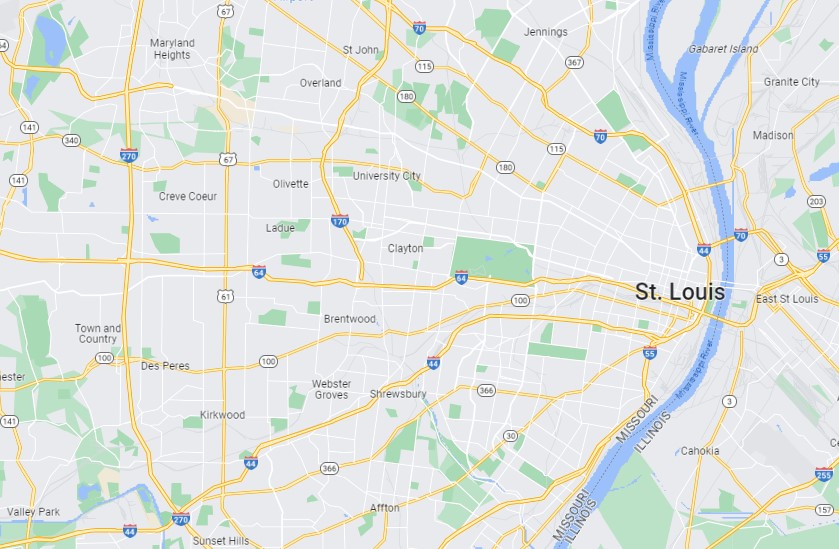
Creve Coeur, MO
Natural beauty with suburban charm.
Population:
18,480 and 25.2% of residents are 65 or older.
Cost of living:
Median house value $618,630.
Crime rates:
Low
Medical access:
Great access to quality medical care, including its own hospital.
Central West End, MO
Vibrant, elegant, and diverse.
Population:
16,670 and about 15% of residents are 65 or older.
Cost of living:
Median house value $346,766.
Crime rates:
Moderate
Medical access:
Great access to quality medical care, including The Center for Advanced Medicine.
Webster Groves, MO
Warson Woods, MO
Private and serene community.
Population:
2,393, and 18% of the population is 65 or older.
Cost of living:
Median home value of $677,786.
Crime rates:
Virtually no crime.
Medical access:
Easy access to great healthcare.
Town & Country, MO
An affluent town with the city at your fingertips.
Population:
11,619, and 29.5% of the population is 65 or older.
Cost of living:
Median home value of $1,170,178.
Crime rates:
Low
Medical access:
Excellent access to healthcare, including urgent care, specialists, and the Missouri Baptist Medical Center.
Kirkwood, MO
Dense suburban feel with a delightful downtown.
Population:
29,331 and 20.7% of residents are 65 or older.
Cost of living:
Median house value $466,968.
Crime rates:
Low
Medical access:
Plenty of quality healthcare in and around Kirkwood, including local primary and urgent care clinics and a short drive to major hospitals.

Top 5 Reasons St. Louis, Missouri Is a Great Place to Retire
1. Retirement-Friendly Tax Laws
Tax regulations vary significantly from state to state, and higher liability can affect your retirement savings.
In 2025, Missouri became the first state to fully exempt capital gains tax. Missouri residents can now deduct 100% of their federally reported capital gains income from their Missouri adjusted gross income, significantly reducing their tax burden.
The state also does not have estate or inheritance taxes, so your family’s inheritance will only be subject to federal-level taxes.
2. Big-City Living Without Big-City Prices
St. Louis is consistently ranked one of the 10 most affordable cities in the U.S. and has one of the most affordable housing markets in the country, with an average home value of $276,557.
Missouri also offers senior citizens a Missouri Property Tax Credit Claim to help offset yearly real estate taxes. Eligible seniors can receive up to $750 if they rent or $1,100 if they own.
3. Access to Top-Tier Healthcare
Retiring in a major metropolitan area like St. Louis means having world-class healthcare close at hand. The city boasts an impressive network of top-tier medical facilities, including:
When narrowing down your ideal St. Louis neighborhood, consider proximity to specialists, emergency services, and trusted healthcare systems.
4. Plenty of Activities for Retirees
From volunteering during the week to enjoying the music scene on the weekends, there’s almost always something to do in St. Louis.
Volunteering often helps retirees establish a routine and find a sense of purpose. From public gardens to food banks, St. Louis offers volunteer opportunities for any interest. Some popular volunteer organizations include:
- Trailnet
- St. Louis Aquarium at Union Station Foundation
- St. Patrick Center
- Gateway Arch Park Foundation
Outside of volunteering opportunities, St. Louis offers plenty of entertainment.
5. Good Weather
You get the best of both worlds in St. Louis: a relatively moderate climate with all four seasons. In the winter, you’ll still need a heavy jacket and snow boots since the temperature averages about 32 degrees in January. At the height of summer, expect sunny skies with highs in the 80s.
Like In All Cities, Retirement Living in St. Louis Has Its Challenges
1. Struggling Downtown
In recent years, as more residents choose the suburbs over city life, Downtown St. Louis has struggled, often described as a “doughnut hole” (with nothing in the middle). Still, there’s reason for optimism. The state is investing heavily to revitalize St. Louis, and several major redevelopment projects are underway. Downtown St. Louis is experiencing a shift: more people and businesses are showing up.
2. No Oceans, No Mountains
St. Louis lacks some of the coastal and mountainous escapes that some retirees crave. The trade-off is that the money you save on cost of living and taxes can fund the vacations or second-home rentals that get you there. For many of our clients, that balance ends up being easier than committing to one coast.
3. No Football Team
St. Louis lost the Rams in 2016, and the city has not had an NFL team since. Diehard football fans tend to drift over to the Kansas City Chiefs, who have dominated the league in recent years and are still inside Missouri’s borders, for now. It’s not a perfect substitute, but it’s better than nothing.
The 6 Best Suburbs for Retirement Living in St. Louis
As a lifelong St. Louis area resident and a St. Louis financial advisor, I have a unique perspective on the local suburban scene and which neighborhoods retirees thrive in. Here are my top 6 St. Louis suburbs for retirement.
Downtown St. Louis is a vibrant place to live, but its suburbs also have a lot to offer for retirees.
1. Kirkwood, MO
Dense suburban feel with a delightful downtown.
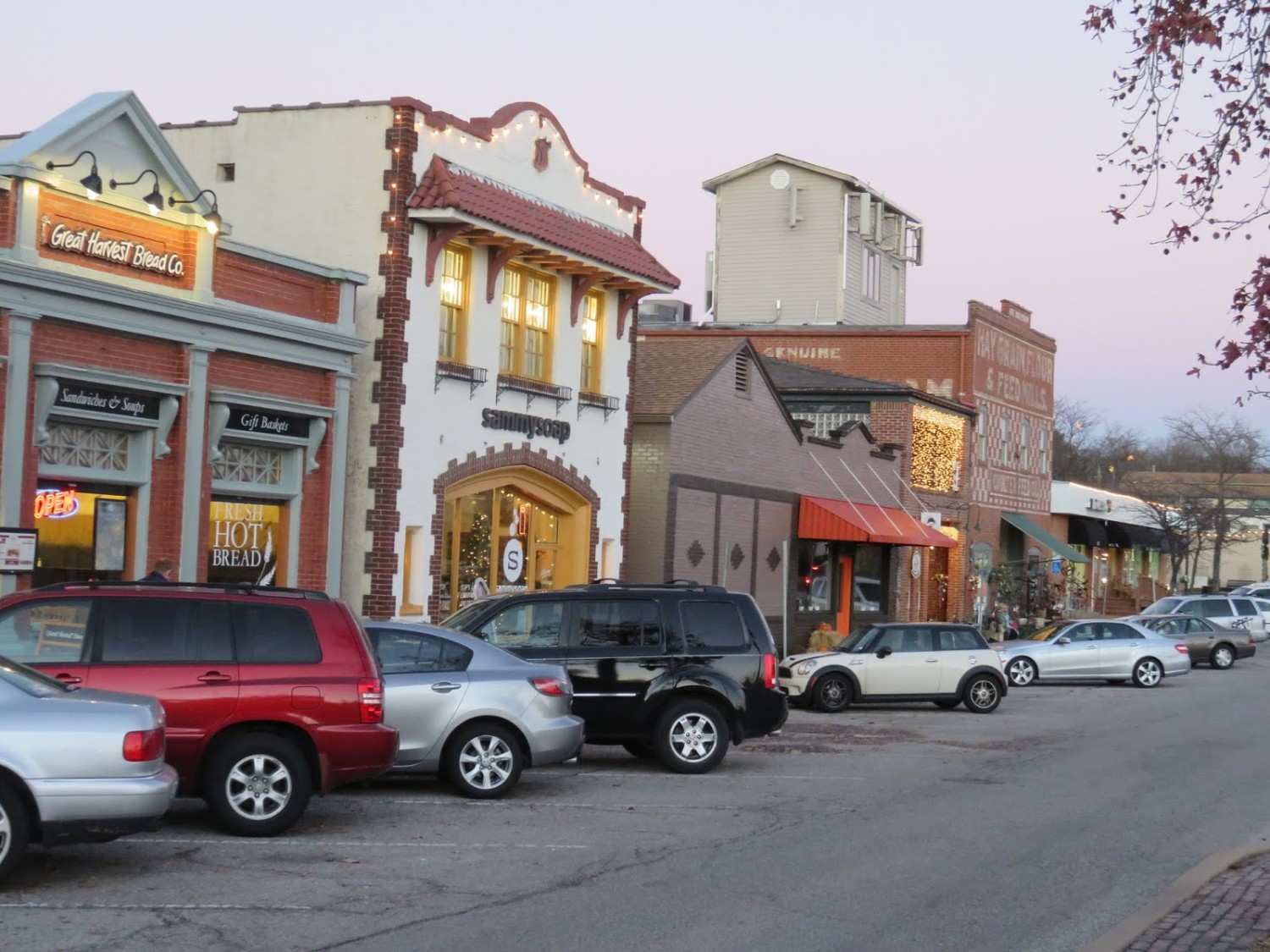
Population: 29,331 and 20.7% of residents are 65 or older.
Cost of living: Median house value $466,968.
Crime rates: Low
Medical access: Plenty of quality healthcare in and around Kirkwood, including local primary and urgent care clinics and a short drive to major hospitals.
- It has a train station, one of just three Amtrak stations in the Metro area.
- A welcoming downtown with coffee shops and plenty of shopping and dining options.
- Home of Kirkwood Performing Arts Center, offering award-winning live musical theater.
- Plenty of parks to explore, including Kirkwood Park, Greentree Park, and Walker Park.
- Ice Arena, Aquatic Center, and Lions Amphitheater.
Unique landmarks:
Interesting fact: Both the city and its historic train station are named after James Pugh Kirkwood, the engineer and surveyor in charge of building the railroad that would make Kirkwood the first planned residential commuter suburb west of the Mississippi.
2. Creve Coeur, MO
Natural beauty with suburban charm.

Population: 18,480 and 25.2% of residents are 65 or older.
Cost of living: Median house value $618,630.
Crime rates: Low
Medical access: Great access to quality medical care, including its own hospital.
What to love:
- Easily accessible restaurants, grocery stores, and recreation.
- City-style dining and shopping.
- Beautiful lake surrounded by parks and walking paths.
- A 9-hole golf course in the heart of town.
Unique landmarks:
Interesting fact: The suburb received its name, which is French for “broken heart,” after a Native American princess jumped from a nearby cliff to her death when her love for a French fur trapper went unreciprocated.
3. Central West End, MO
Vibrant, elegant, and diverse.
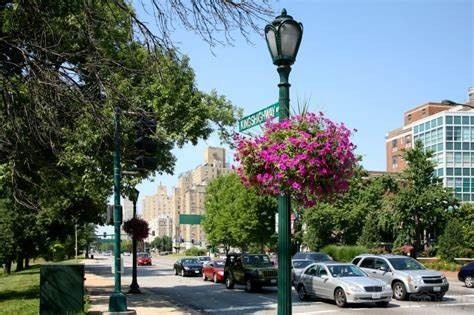
Population: 16,670 and about 15% of residents are 65 or older.
Cost of living: Median house value $346,766.
Crime rates: Moderate
Medical access: Great access to quality medical care, including The Center for Advanced Medicine.
- Located just west of downtown with Metrolink train access to the city.
- The business district stretches just under a mile – perfect for a casual stroll.
- Home to more than 75 restaurants, bars, and businesses.
- Plenty of outdoor festivals throughout the year, including the Central West End Cocktail Party, the Make Music St. Louis Festival, and weekly live music shows in the summer.
- Many options for parks with beautiful walking paths.
Unique landmarks:
Interesting fact: Notable business leaders such as Albert Bond Lambert, Joseph Pulitzer, and Dwight Davis have called this neighborhood home.
4. Webster Groves, MO
Historic suburb with a flourishing artistic community.
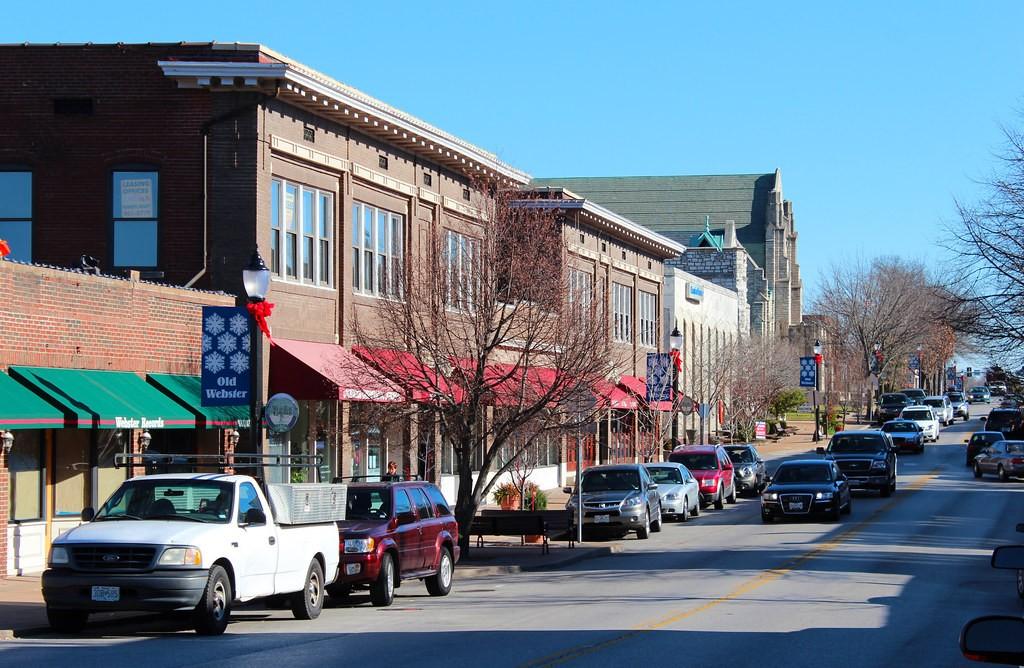
Population: 23,450 and 19.3% of residents are 65 or older.
Cost of living: Median house value $443,837.
Crime rates: Low
Medical access: Easy access to excellent healthcare, including 24 hospitals within 10 miles of the suburb.
- Only 13 miles from downtown, offering easy access to urban opportunities.
- Plenty of nature to explore, including the 36-acre Blackburn Park, complete with a bird sanctuary and tennis courts.
- Century-old homes and architectural styles provide an authentic backdrop for restaurants and cute boutiques.
Unique landmarks:
Interesting fact: More than 300 Webster Groves homes are listed on the National Register of Historic Places.
5. Warson Woods, MO
Private and serene community.
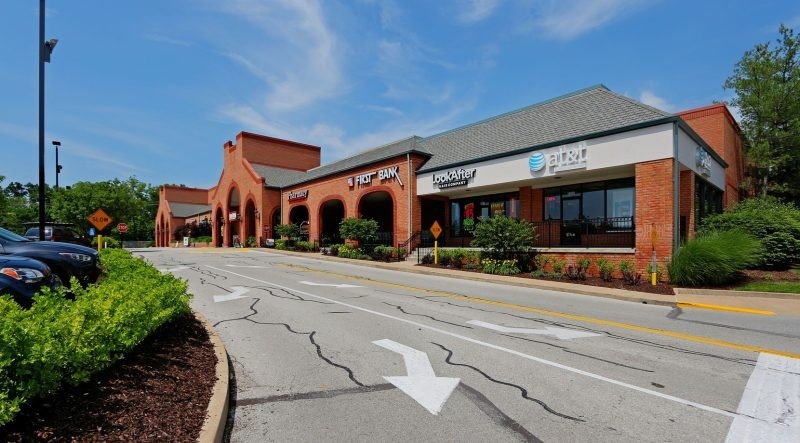
Population: 2,393, and 18% of the population is 65 or older.
Cost of living: Median home value of $677,786.
Crime rates: Virtually no crime.
Medical access: Easy access to great healthcare.
- Small and tranquil.
- Mostly residential with little outside traffic.
- Convenient access to shopping and dining.
- Impressive parks and country clubs nearby.
Unique landmarks:
Interesting fact: This consistently ranks in Stacker’s list of best places to retire in Missouri.
6. Town & Country, MO
An affluent town with the city at your fingertips.
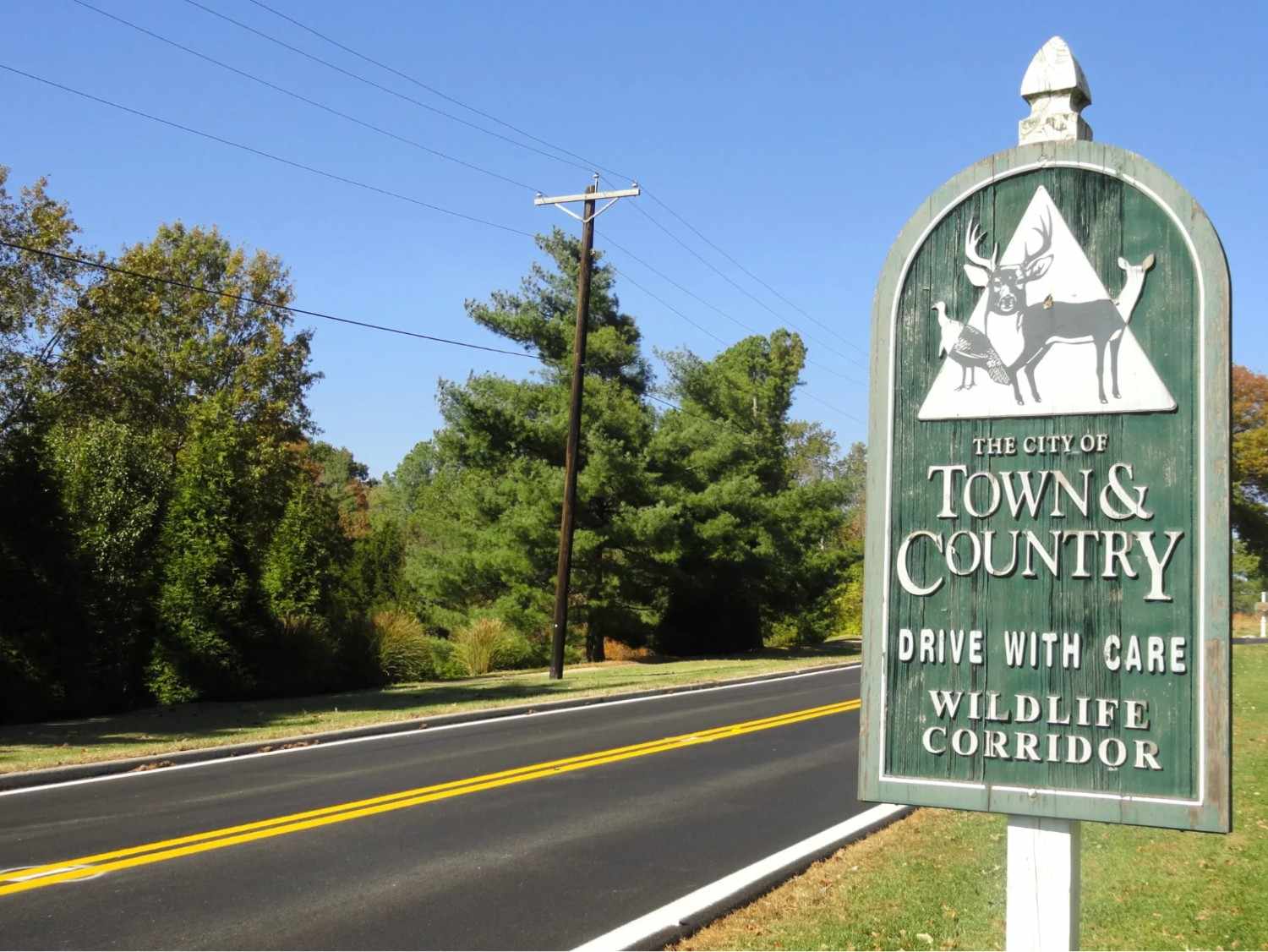
Population: 11,619, and 29.5% of the population is 65 or older.
Cost of living: Median home value of $1,170,178.
Crime rates: Low
Medical access: Excellent access to healthcare, including urgent care, specialists, and the Missouri Baptist Medical Center.
- Located 15 miles from downtown St. Louis.
- Surrounded by breathtaking nature.
- Plenty of shops and restaurants.
- Year-round festivals, including summer concerts in the park.
Unique landmarks:
- Theodore A. Pappas House – designed by Frank Lloyd Wright
- Longview Farm Park
- Town Square
- Bellerive Country Club
Interesting fact: In 1965, Town & Country’s Bellerive Country Club became the youngest golf course to ever host the U.S. Open.
Is St. Louis Your Retirement Destination?
St. Louis is a great fit for retirees who want big-city options without big-city costs. It might be right for you if you care about:
- A low cost of living with major-metro amenities close by
- Access to top-ranked hospitals like BJC and SSM Health
- A real arts scene (St. Louis Museum, the Muny, Powell Hall) at Midwestern prices
- Diverse food, from t-ravs to James Beard finalists
- Transit options most cities its size don’t have: Lambert International, Amtrak, and Metrolink
Want to Talk Through It With Someone Local?
Our entire team is based right here in St. Louis. If you have questions about whether a retirement in St. Louis is right for you, book a meeting or give us a call.
St. Louis Retirement FAQ
Yes. St. Louis offers a low cost of living, no state tax on Social Security income, a major airport hub and train stations, a strong healthcare system, and an arts and food scene that’s impressive for the metro’s price point.
Not for most retirees. Missouri doesn’t tax Social Security benefits for residents 62 and older, regardless of income.
There are four important ones for retirees:
- No state tax on Social Security (age 62+)
- A 100% capital gains exemption
- A Missouri Property Tax Credit for senior citizens
- No state-level estate or inheritance taxes
St. Louis consistently ranks among the most affordable major U.S. metros. As of May 2026, the median single-family home price is $325,000 – significantly lower than the national average.
St. Louis offers access to exceptional healthcare systems, including the nationally recognized BJC HealthCare organization and SSM Health – plus Washington University School of Medicine (one of the top medical schools in the nation).
A local advisor knows Missouri’s tax laws, which neighborhoods fit your budget and needs, and how to take advantage of the state’s exemptions to make the most of your retirement savings. The Toberman Becker Wealth team lives and works in the metro, and we’d love to help you plan your St. Louis retirement.
Craig Toberman is a Partner at Toberman Becker Wealth – a fee-only, fiduciary financial advisor based in St. Louis. He assists families and businesses with strategic financial planning and long-term wealth management. He has over a decade of experience in financial services and has crafted custom financial plans for hundreds of families and businesses.